

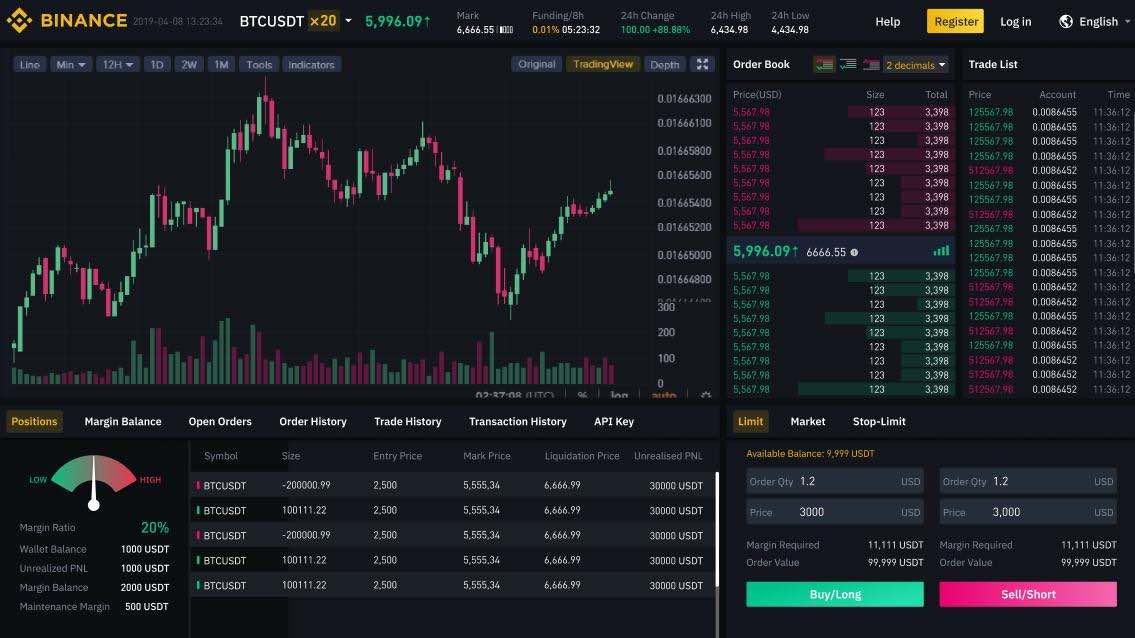
Binance Exchange, founded in 2017 by Changpeng Zhao, has rapidly grown to become one of the largest and most influential cryptocurrency exchanges in the world. Headquartered initially in China before relocating due to regulatory pressures, Binance has established a global presence with offices and operations spanning multiple countries. The platform was created with the vision of providing a secure, efficient, and accessible marketplace for trading digital assets.
From its inception, Binance distinguished itself through its user-friendly interface and wide range of available cryptocurrencies. It started with an initial coin offering (ICO) that raised approximately $15 million, enabling it to develop a robust infrastructure capable of handling high trading volumes. Within months of launching, Binance quickly climbed the ranks to become the leading exchange by daily trading volume-a position it maintains consistently.
One critical factor behind Binance’s success is its commitment to innovation. The exchange offers not only spot trading but also futures contracts, margin trading, staking services, savings products, and various decentralized finance (DeFi) solutions through its Binance Smart Chain (BSC). BSC is particularly noteworthy as it supports smart contracts and decentralized applications (dApps), fostering an ecosystem that rivals Ethereum in terms of speed and transaction cost efficiency.
Security has been another cornerstone for Binance. Despite relevant background information experiencing a significant hack in May 2019 where over 7,000 bitcoins were stolen from its hot wallets, the exchange responded swiftly by covering all losses through its Secure Asset Fund for Users (SAFU). Since then, Binance has enhanced its security protocols with multi-tiered verification processes and advanced monitoring systems designed to detect suspicious activities proactively.
Binance’s native token-BNB-plays a vital role within this ecosystem. Initially launched as an ERC-20 token on Ethereum before migrating to Binance Chain as BEP-2 tokens-and later extending into BEP-20 tokens on BSC-BNB is used for paying transaction fees at discounted rates on the platform. Additionally, it serves various functions such as participating in token sales via Launchpad or powering DeFi projects within the broader network.
Regulatory challenges have shaped much of Binance’s operational strategy over time. Various governments worldwide have scrutinized or restricted aspects of its services due to concerns about compliance with local financial laws regarding anti-money laundering (AML) and know-your-customer (KYC) regulations. In response, Binance has ramped up efforts toward transparency by implementing stricter KYC requirements while working closely with regulators to ensure adherence without compromising user experience.
In summary, Binance Exchange represents a pivotal force within the cryptocurrency industry characterized by rapid growth fueled by innovation and adaptability amidst evolving regulatory landscapes. Its comprehensive suite of services coupled with strong community engagement continues driving mainstream adoption while shaping future developments across blockchain technology sectors globally.