

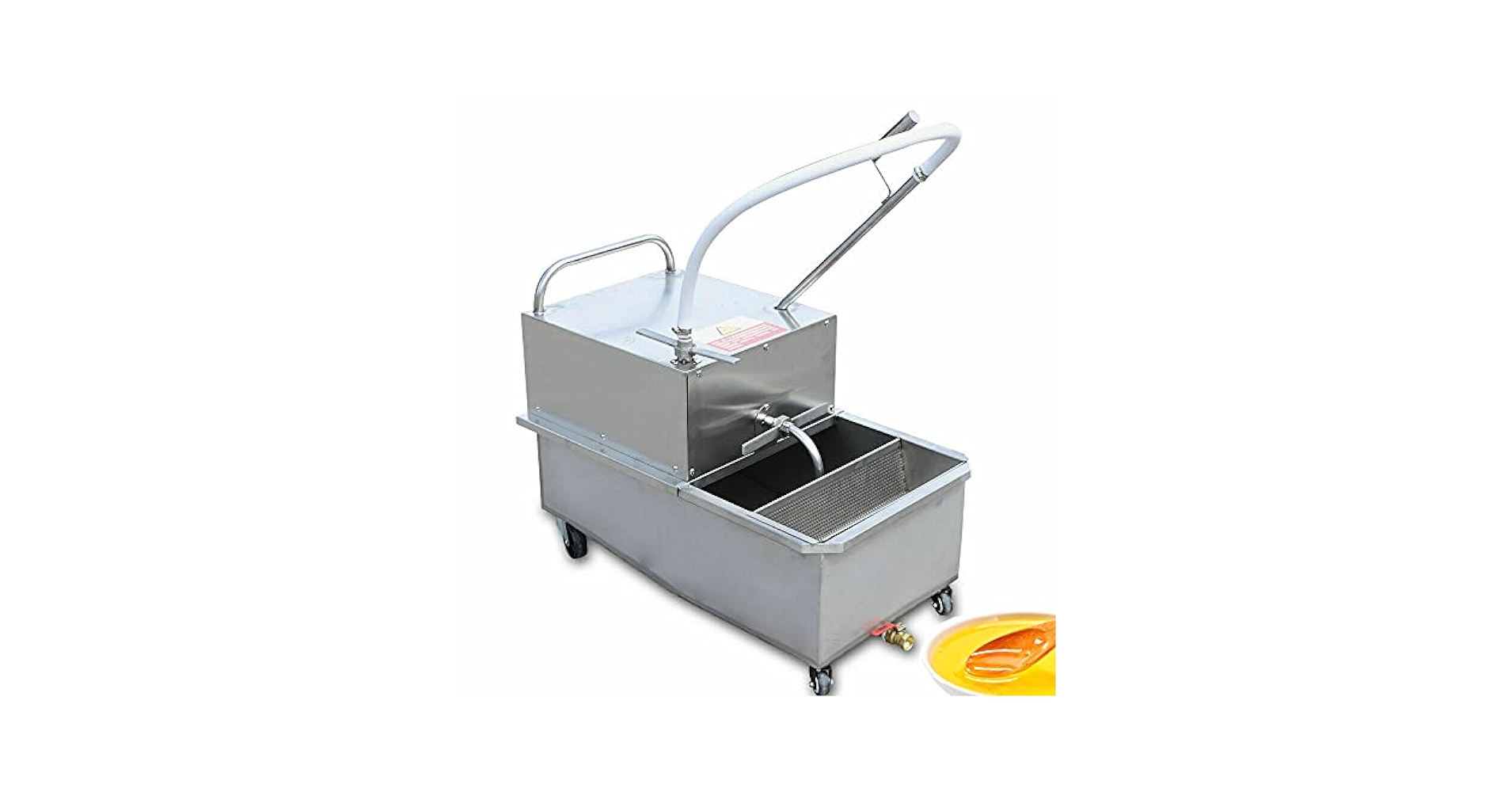
In the fast-paced world of commercial kitchens, efficiency is paramount. The ability to produce high-quality dishes quickly and consistently can make or break a restaurant’s reputation. One often overlooked aspect that significantly contributes to this efficiency is the management of cooking oil through advanced filtration equipment. Today, commercial kitchens are increasingly adopting sophisticated restaurant oil filtration systems to enhance their operational effectiveness.
Cooking oil is an essential component in many culinary applications, especially in establishments specializing in fried foods. However, maintaining its quality over time can be challenging due to continuous use at high temperatures. As oil degrades, it not only affects the taste and texture of food but also poses health risks and increases operational costs. This is where modern restaurant oil filtration equipment becomes indispensable.
Restaurant oil filtration systems are designed to remove impurities such as food particles, carbon deposits, and other contaminants from used cooking oil. By doing so, these systems extend the life of the oil and ensure that it remains clean and safe for repeated use. This not only enhances the flavor profile of dishes but also reduces waste—a critical factor in running a cost-effective kitchen.
One significant advantage of using advanced filtration equipment is the reduction in frequency with which restaurants need to replace their cooking oil. Given that purchasing fresh oil represents a substantial expense for any establishment relying heavily on frying techniques, extending its usability translates directly into financial savings. Moreover, less frequent disposal means reduced environmental impact—a growing concern among eco-conscious consumers today.
Furthermore, improving kitchen efficiency goes beyond just saving on costs; it also involves optimizing workflow processes within busy environments. Modern filtration units are designed with ease-of-use in mind—often integrating seamlessly into existing kitchen setups without requiring extensive modifications or downtime during installation or maintenance procedures.